


NOTE 1: The following scenario is fictional. The threat environment it depicts isn’t.
NOTE 2: For reasons unknown, both Substack and YouTube have crushed this article and video and keep reverting to very restrictive settings. Apologies if you received multiple emails. I have had to reupload it multiple times now with minor changes like removing background music that we have a license to use but is getting flagged for copyright infringement. ~ Chris
Mark Smith is 28 miles from home when the attack starts.
It’s 9:30 on a Tuesday morning. He’s on the 20th floor of his office building. The day started completely normal. Then he looks out the window, and everything is wrong.
The roads below are frozen. Cars abandoned mid-lane. People running. Some of them not getting up.
Explosions. Automatic gunfire. A smoke column rising two blocks over.
His wife Sarah is home with their kids, Jake and Emily, both home sick today. Nobody is there to protect them but him. And he’s 28 miles away.
He tries to call. Cell network is slammed. Nothing goes through. The roads are done. His car isn’t getting him home today.
So the only question that matters - the one he needed to have already answered - is: how is he getting home?
THE SCENARIO THE PUNDITS SAY WON’T HAPPEN
Years ago - and I mean years - I started making eBike get-home videos. I got mocked. Old-school preppers thought it was a joke. An electric bike? In a SHTF scenario?
Then the world started looking a lot more like the scenarios I was describing. And those same people started copying my content.
I’m not here to gloat. I’m here to show you how it works in the real world. So today we’re going to run a scenario. A realistic one. A terrifying one.
We’re going to follow Mark Smith. And Mark has a very bad Tuesday morning.
MEET MARK SMITH
Mark is a husband. A father. He has two kids, Jake and Emily. They’re both home sick today. His wife Sarah is with them. She’s not going anywhere.
Mark is on the 20th floor of a high-rise office building downtown. 28 miles from home. The day started normal. Then it didn’t.
Mark hears it first. The sound doesn’t quite make sense. Then he looks out the window, and his stomach drops. The roads below are frozen. Not slow, frozen. Cars abandoned mid-lane. People running. Some of them not getting up.
Then his email notification fires. SDENS alert. Survival Dispatch Emergency Notification System. The message is short: CCTA CONFIRMED. MULTIPLE DETONATIONS. DOWNTOWN CORE. DO NOT USE MAIN ROADS. GET LOW.
He tries to call Sarah. No connection. Cell network is jammed, everyone in the city just hit send at the same time.
That’s when he reaches into his bag and pulls out his POCLink Pro radio. He keys it up over the office WiFi and raises Sarah on PTT voice.
Sarah - CCTA confirmed downtown. Roads are completely blocked. I cannot drive home. Cell network is down. Do NOT leave the house. Lock everything. The kids stay inside. I’m coming home on the eBike. The POCLink app will show you my GPS track the whole way. Watch it. I’ll be there.
Mid-transmission, the internet goes down. The office network drops. The connection cuts off.
Three seconds of silence. Then the POCLink Pro does exactly what it’s built to do, it automatically fails over to LTE. A separate data path. Independent of the internet. Independent of the cell voice network. The PTT connection restores. Sarah can see his GPS icon moving in the app.
Mark is coming home.
STAY AHEAD OF WHAT’S COMING
If this matters to you, you should be seeing it in real time - not after it’s already happened.
GEAR UP & DEPLOY
Here’s where preparation meets execution.
Mark had already thought about this day. Not this exact day, but a day like it.
He kept a get-home bag at his office. A change of clothes, grayman. Nothing tactical. Nothing that draws attention. Running shoes instead of dress shoes. Layers. A hat. He also kept his concealed carry on him at all times, a 9mm pistol. Legally carried. Always. And in the bag, a folding PCC. A pistol-caliber carbine that takes the same mags, same ammo. Same 9mm. One logistics chain. No confusion under stress.
He changed fast. Hit the stairwell. The elevators were already unreliable, and elevators in an active attack scenario are a coffin. Down 20 floors. Into the parking garage.
And there - on the bike rack of his truck - was the reason he was getting home today.
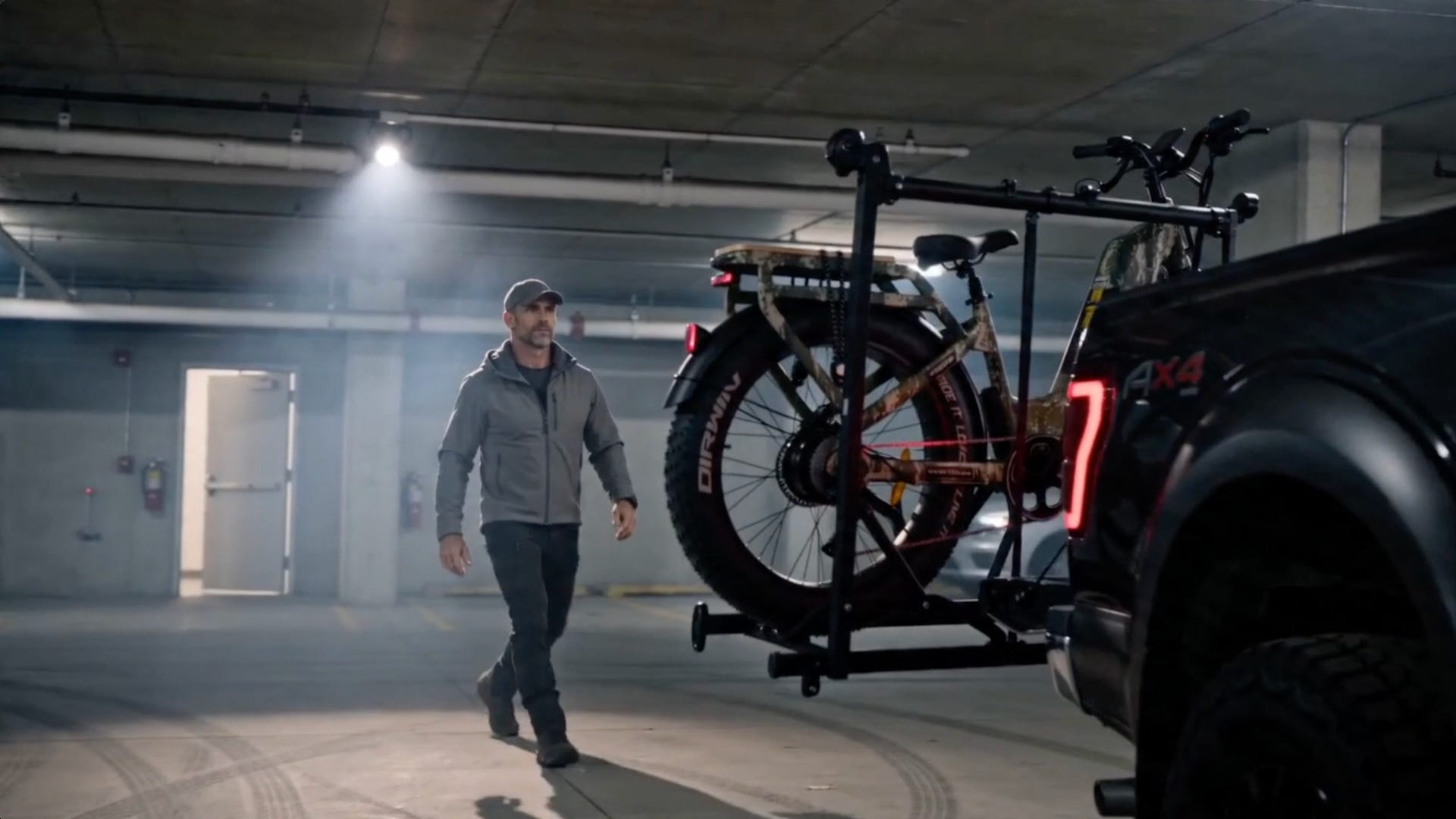
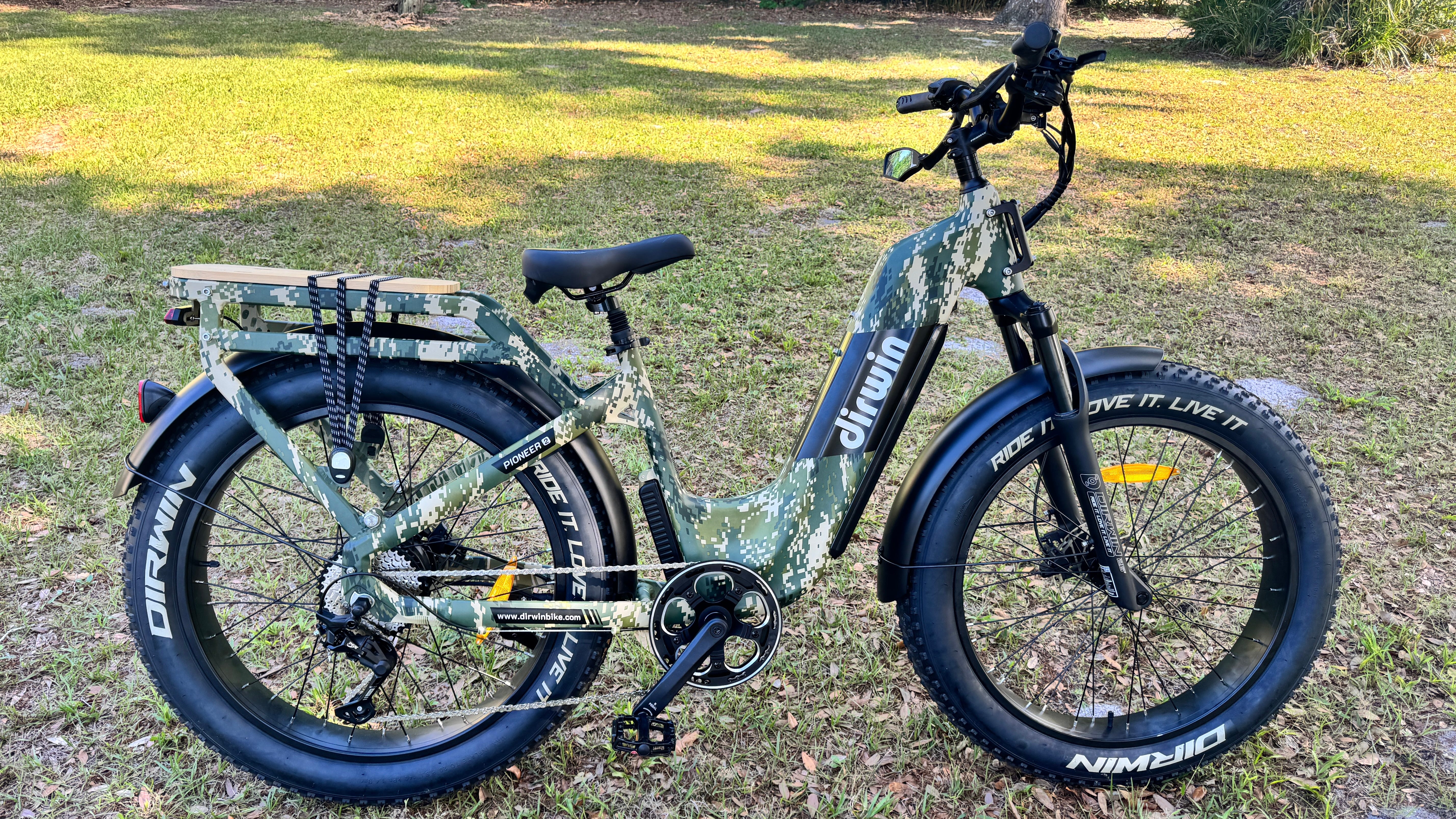
The Dirwin Pioneer 2 Long Range Fat Tire eBike. 28 miles to go. Pedal assist maxed. Fat tires. Full battery.
THE BIKE THAT GETS HIM HOME
This is not a toy. It is not a weekend cruiser. It is a mobility platform.
120-plus miles of range. That’s what the 48-volt, 30 amp-hour battery gives you. Mark is 28 miles from home. He has four times the range he needs. Range anxiety? Gone. He never has to think about it.
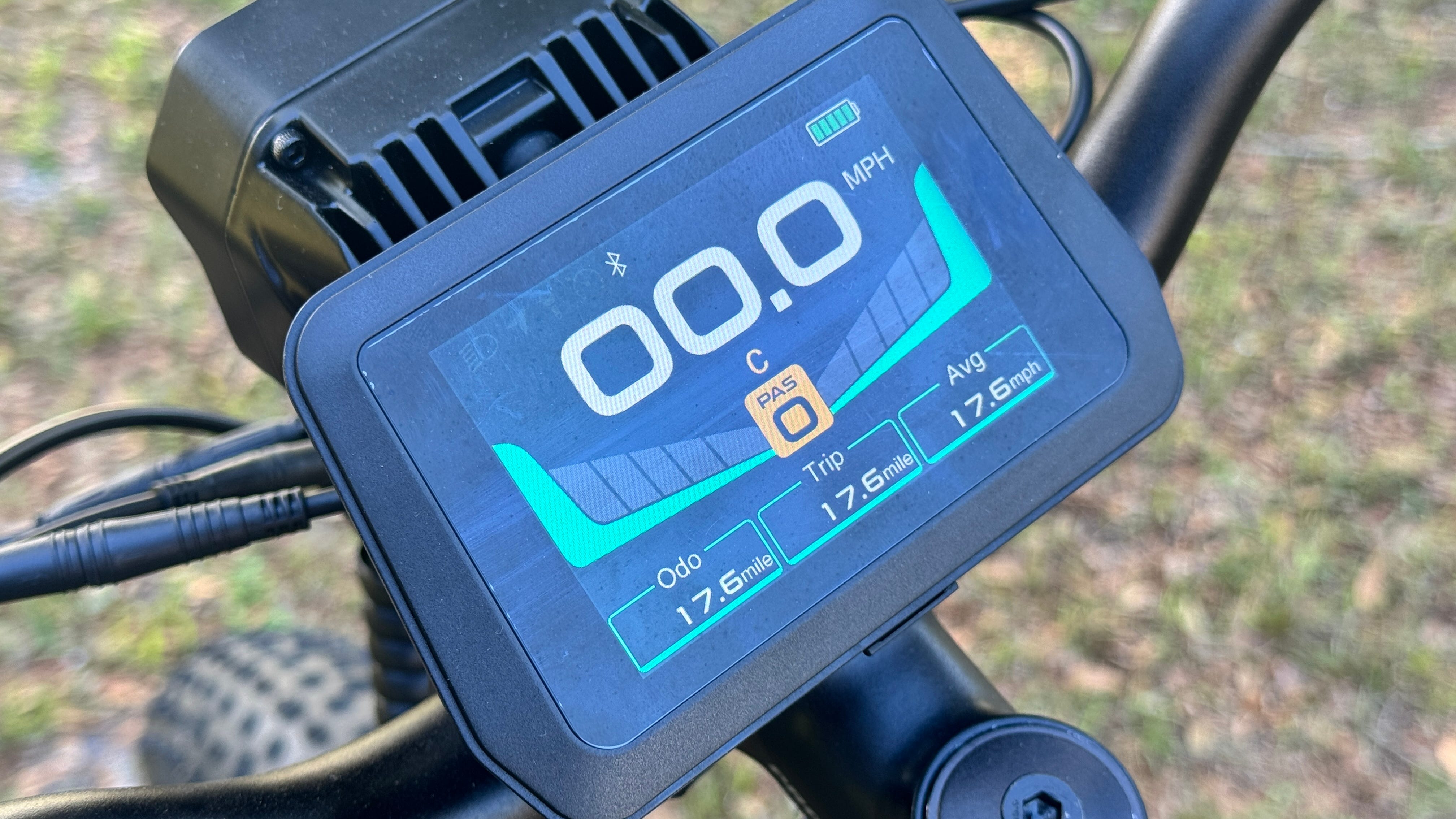
The motor is a 750-watt continuous, 1,000-watt peak. That’s the power you need when you hit debris. When you have to accelerate fast to avoid a threat. When you’re going uphill with 30 pounds of gear on a reinforced rear rack.
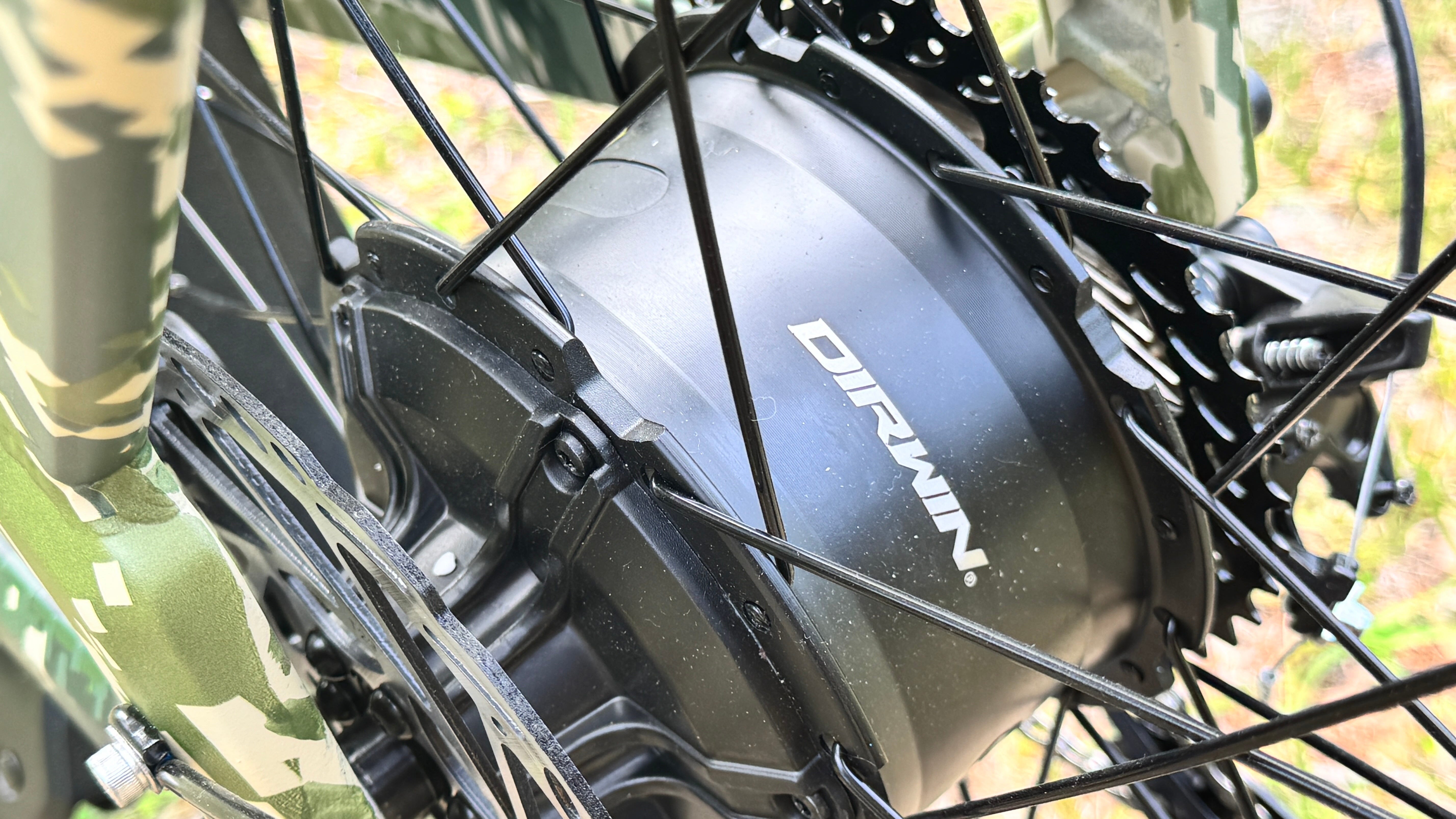
Throttle plus five pedal assist levels. In a SHTF scenario, you’re managing energy, yours and the bike’s. On flat, open ground, Mark runs full throttle. Conserves his legs. When he needs to look like a casual rider - blend in, not draw attention - he drops to PAS 2. The torque sensor reads his input in real time. The cadence sensor keeps the power smooth. This isn’t a jerky, awkward e-assist. It’s a system.
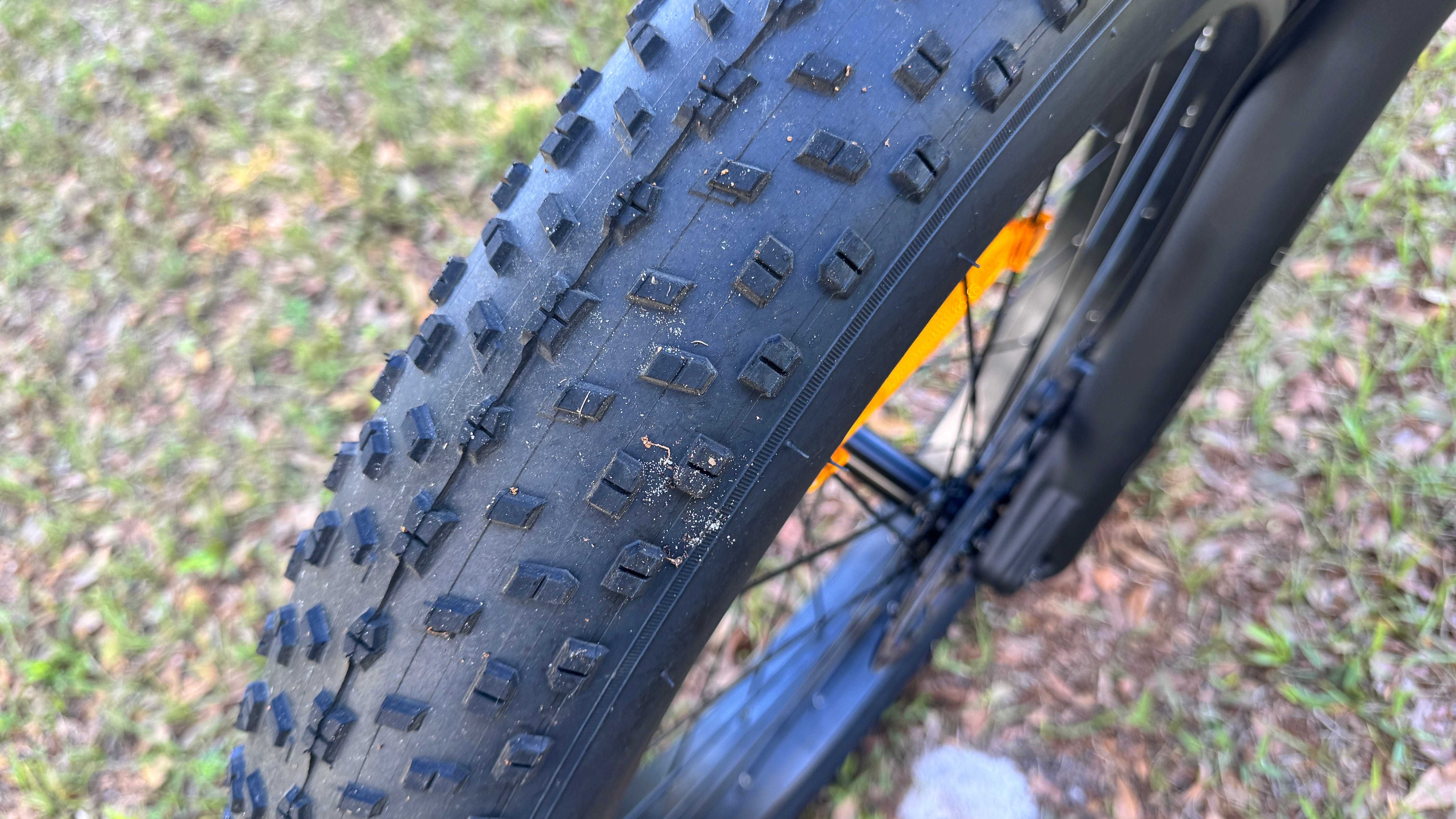
The tires - 26 by 4 inches. Fat. Mark is not staying on clean pavement today. He can’t.
Hydraulic front fork. Seatpost suspension. Over rubble. Curbs. Off-road shortcuts through parks and backyards. The bike absorbs it so Mark’s body doesn’t have to. You can’t push hard for 28 miles if every bump is transmitted straight to your spine.
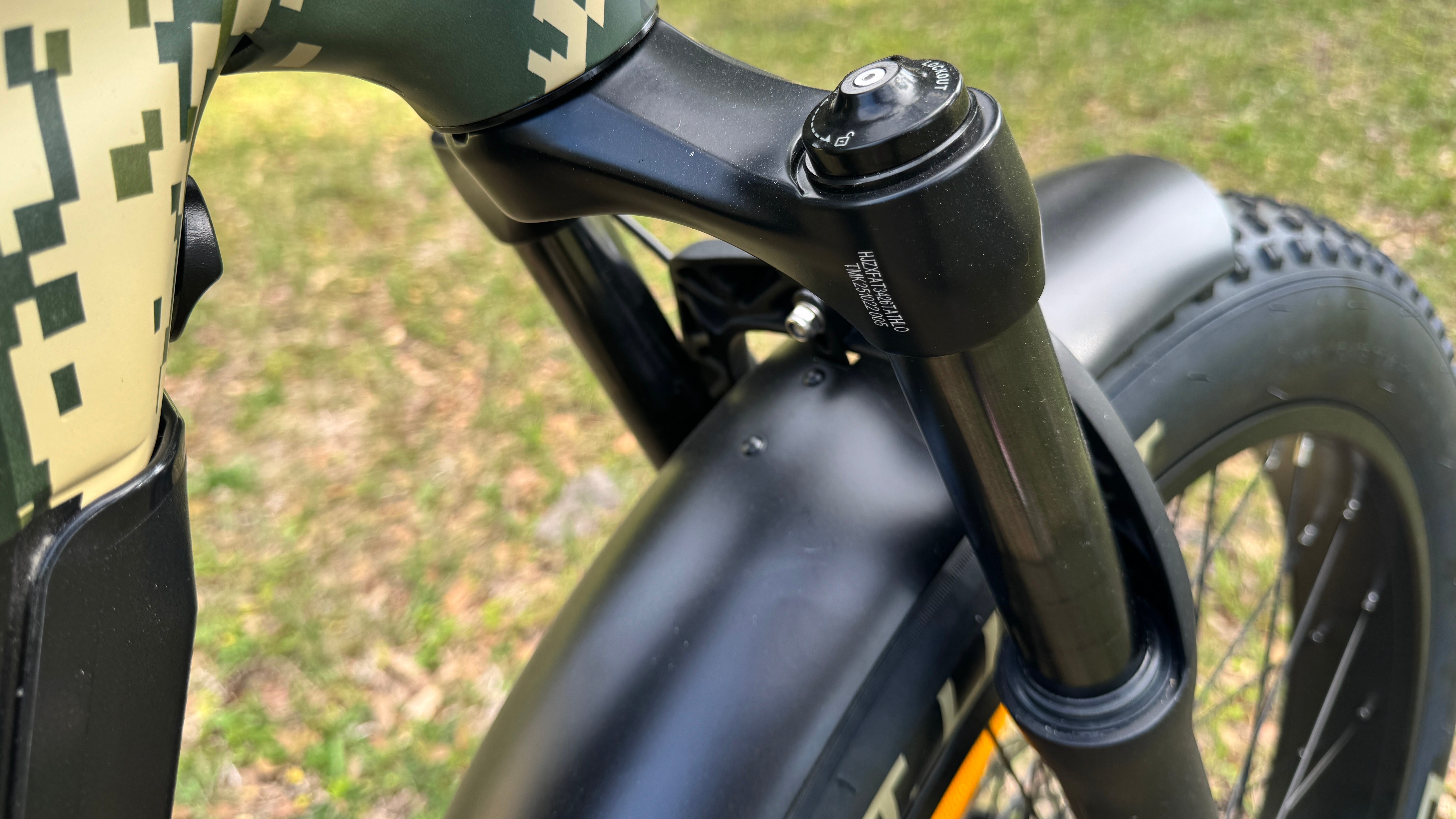
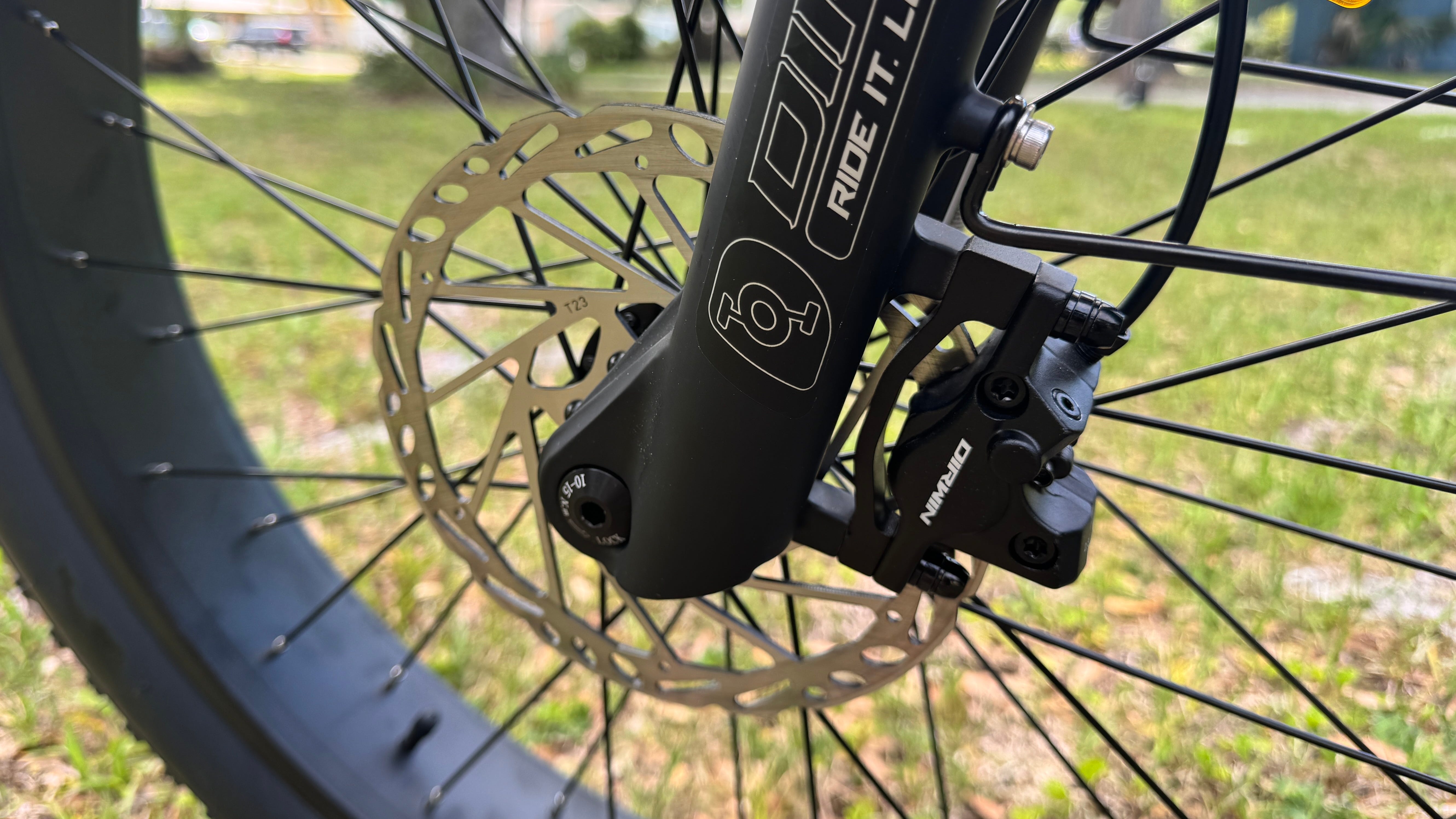
180-millimeter hydraulic disc brakes. Not cable. Hydraulic. When Mark is moving fast and a crowd surges into his path, he stops. Immediately. That’s not a feature. That’s a survival mechanism.
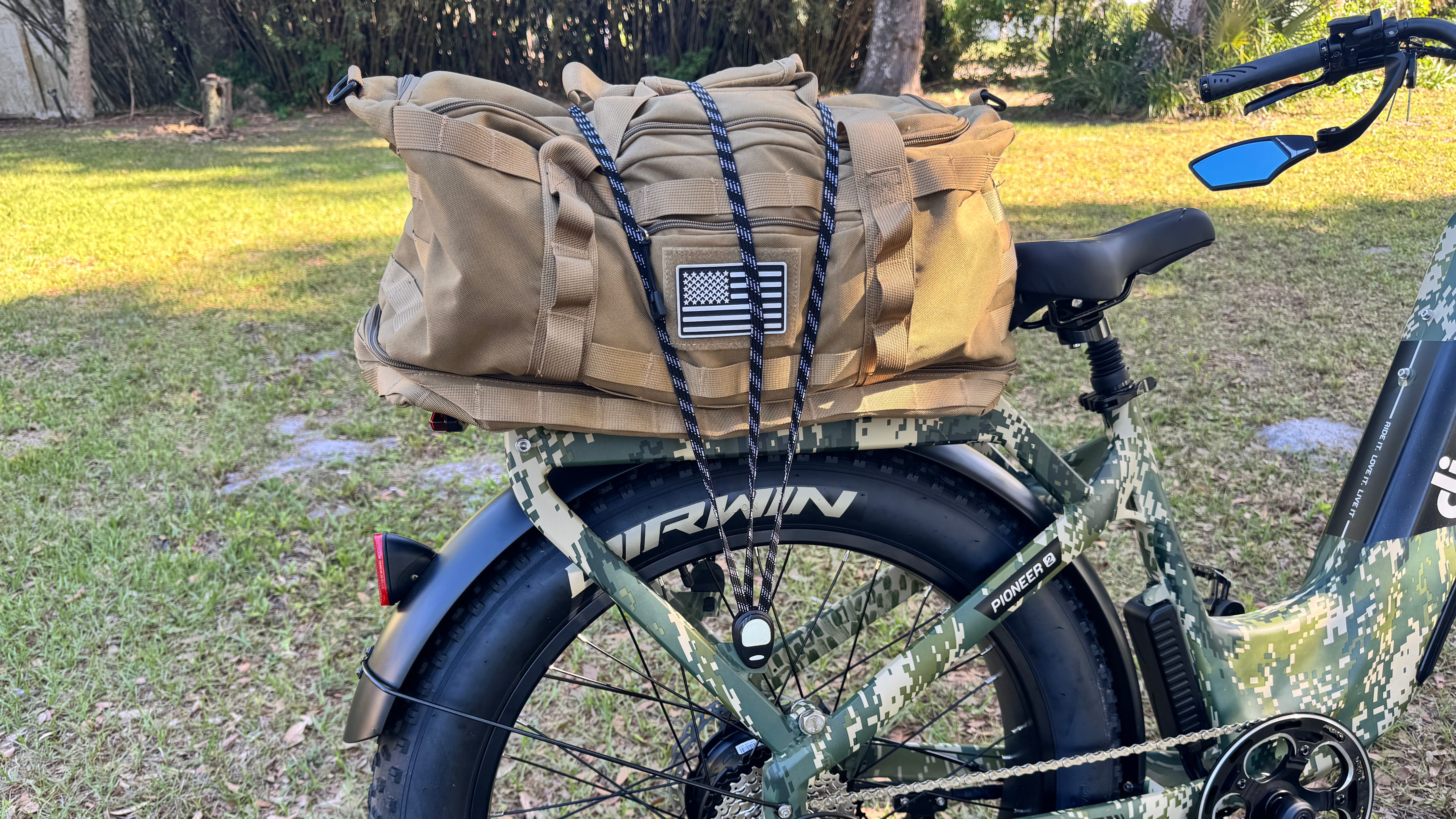
The rear rack - reinforced, built in, rated to 450 pounds. Mark’s get-home bag is on it. Extra mags. Trauma kit. Water. Radio. The bike carries the load so Mark stays mobile and fresh.
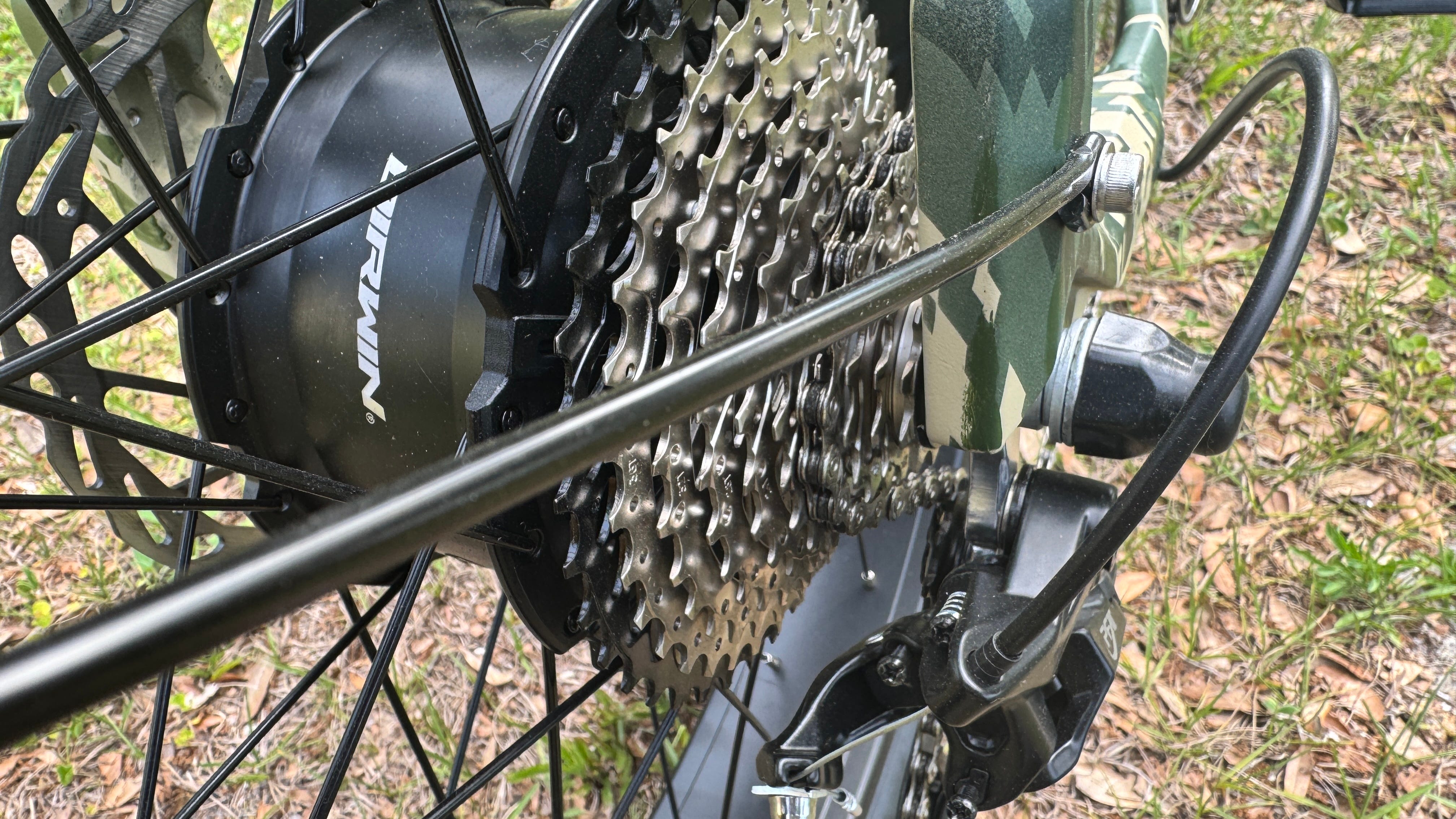
10-speed drivetrain. When the terrain changes - and it will - Mark adjusts. Uphill through a park? Drop it. Hard sprint across open ground? Wind it up.
THE RIDE: MILES 1–8
Mark rolls out of the parking garage at 0942. The street in front of the building is frozen with abandoned vehicles. He doesn’t slow down. He threads between the cars. The fat tires roll over a curb without a flinch. He’s on the sidewalk. Then a service alley. Then back on the road where there’s a gap.
Battery at 97%. Speed: 22 miles per hour. Assist: Level 5. He’s moving. Everyone else is standing still.
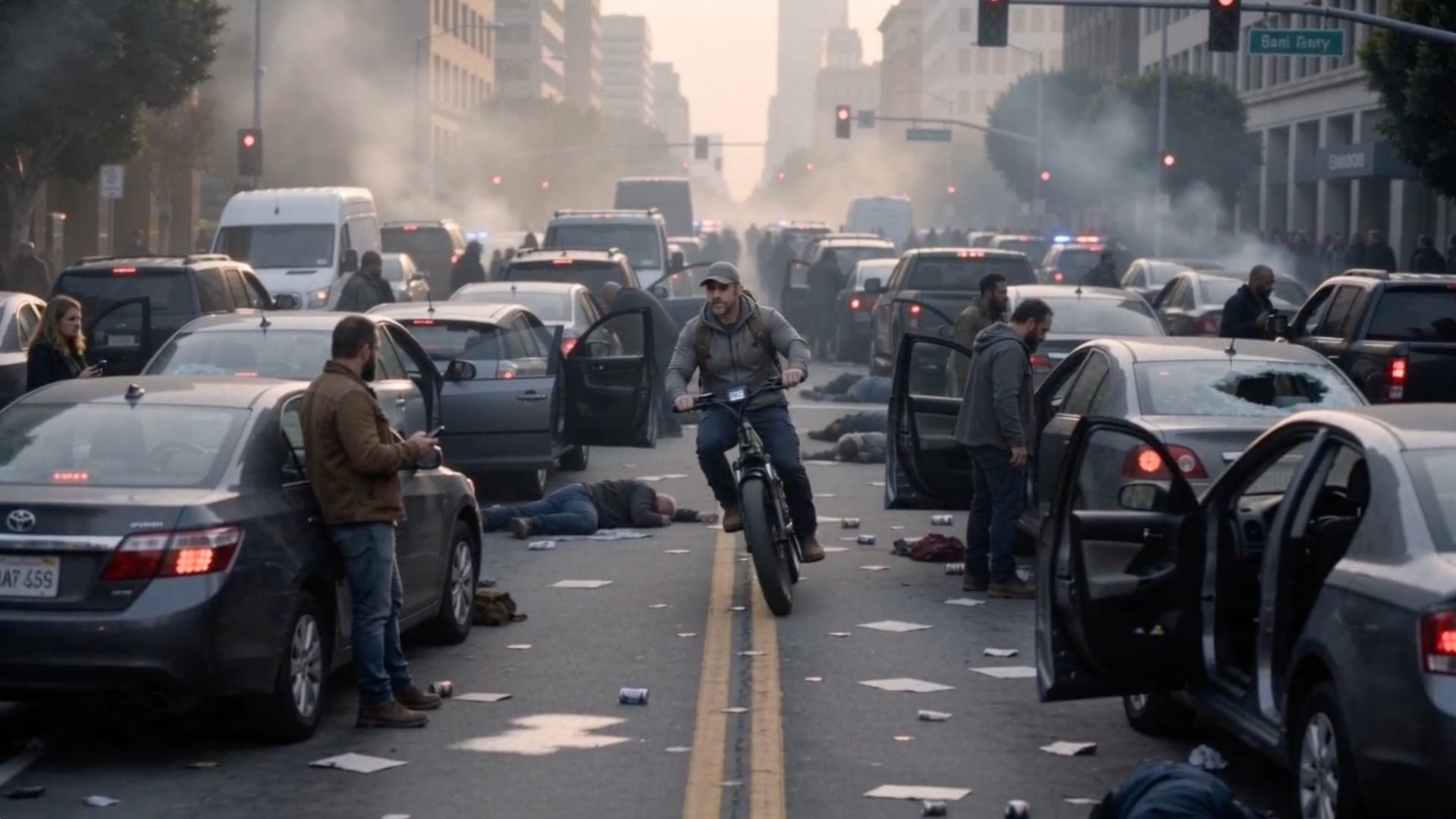
Three blocks from his office, a crowd - maybe 200 people - panicked, flowing out of a building lobby and into the street. Mark drops to PAS 2. Slows down. Looks calm. Moves through the edge of the crowd. He’s not running. He’s not drawing attention. He’s just a guy on a bike. Grayman. Keep moving.
At mile 4, he hits the first real barrier. A burning vehicle blocks the intersection. Police tape, but no police. Two guys arguing loudly near the barrier. Neither looks stable. Mark doesn’t engage. He cuts right, onto a pedestrian path through a city park. The fat tires hit grass, then gravel, then a dirt maintenance path. He doesn’t even slow down.
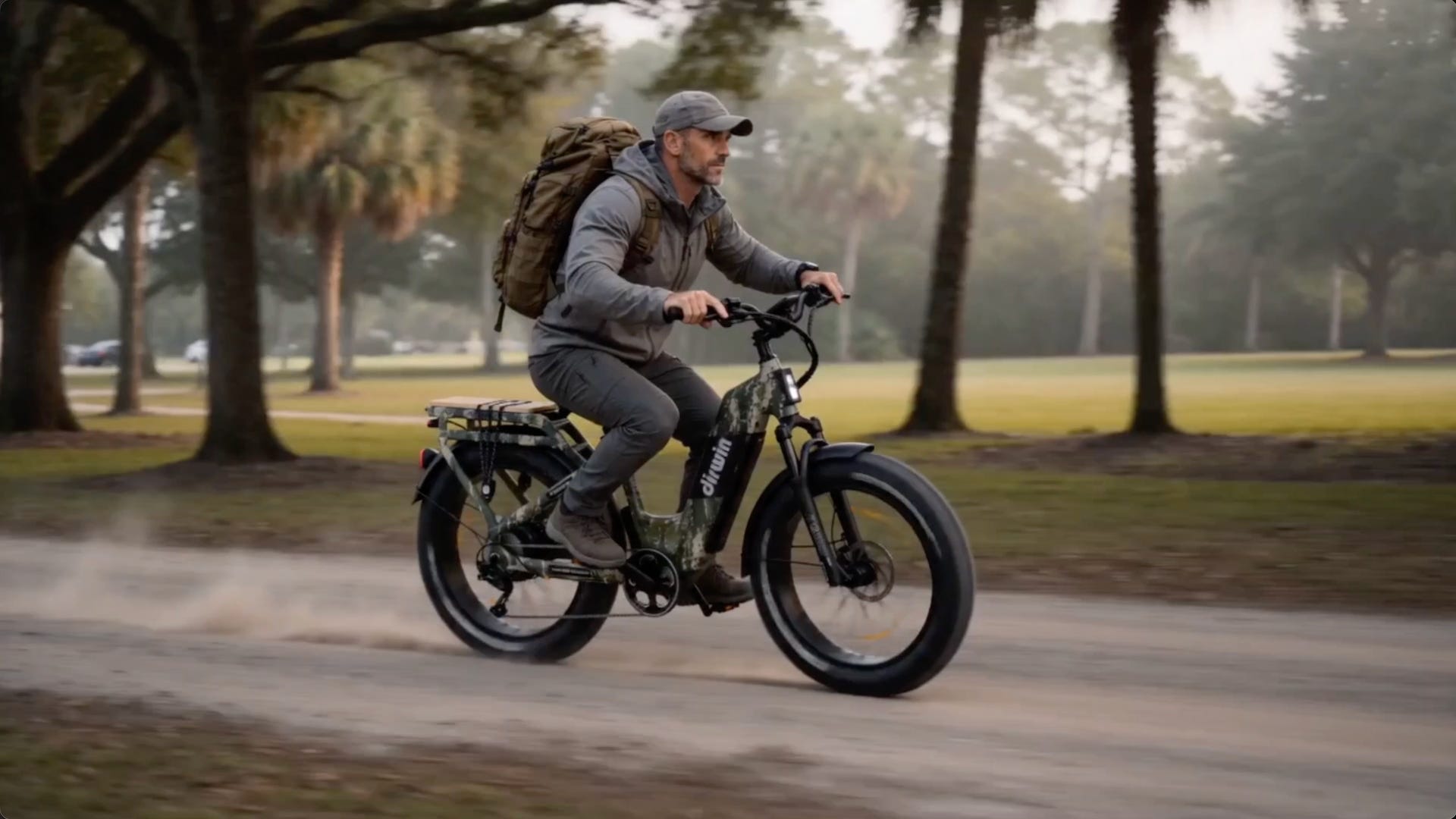
That’s the geometry of this bike. 26-by-4 fat tires aren’t just for show. They turn a road bike into a multi-terrain mobility platform the moment the road isn’t an option. And in a CCTA? The road is never the option.
THE RIDE: MILES 8–18
Miles 8 through 18. This is where it gets harder.
The further from downtown, the less police presence. The less structure. This is the gray zone, and it belongs to whoever’s most dangerous.
Mark keeps the XL display in his peripheral. Battery: 92%. Range remaining: 110 miles. He’s barely touched his reserve. He has more than he needs to get home. And he knows it. That certainty - that calm - is what keeps him making smart decisions instead of panicked ones.
At mile 11, a group of men block the road ahead. Five of them. Standing in the center lane. Mark doesn’t accelerate. He doesn’t brake hard. He takes the next right - a residential street - and disappears before they can decide what he is. The Pioneer 2 is silent. They don’t hear him go.
Silent and scent-free. In a hostile urban environment, being quiet is being invisible. No engine noise. No exhaust smell. Just a guy on a bike.
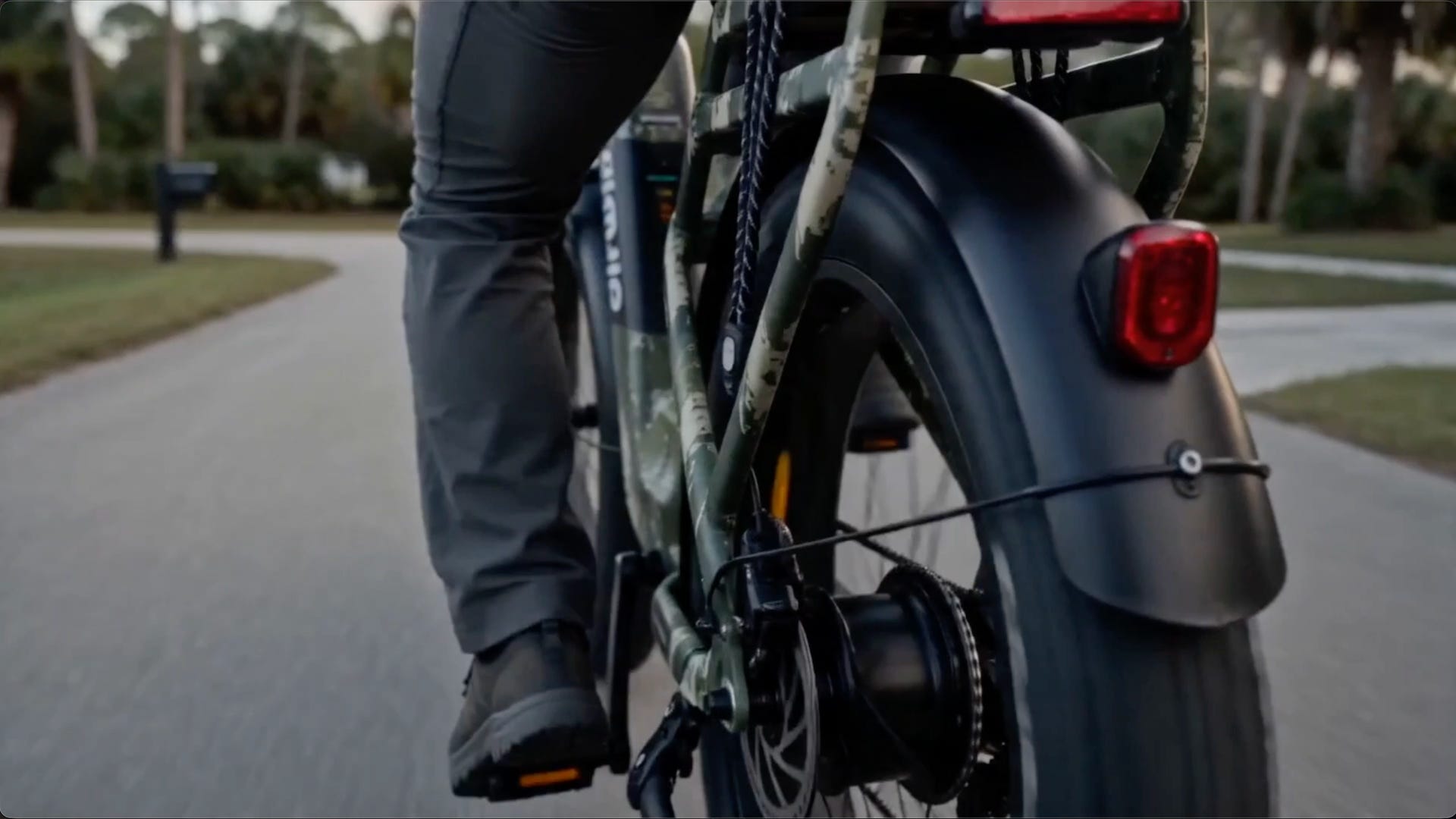
Mile 14. He hits a flooded underpass. Recent rain, drainage backed up. A regular bike, you’re walking it through or going around, adding 20 minutes. Mark hits the throttle, picks up speed, and plows through. The fat tires throw water. The motor doesn’t flinch. He comes out the other side. Keeps moving.
Mile 17. He crests a small hill and looks down at a suburban arterial road. There’s a checkpoint. Looks improvised. Two trucks parked sideways. Three men. Not law enforcement. Not military. Mark watches for thirty seconds from elevation. Then he checks his display. 87% battery. He doesn’t need that road. He drops into a field, crosses it on the Pioneer 2, and picks up a trail on the far side. Nobody at that checkpoint ever knew he was there.
THE RIDE: MILES 18–28
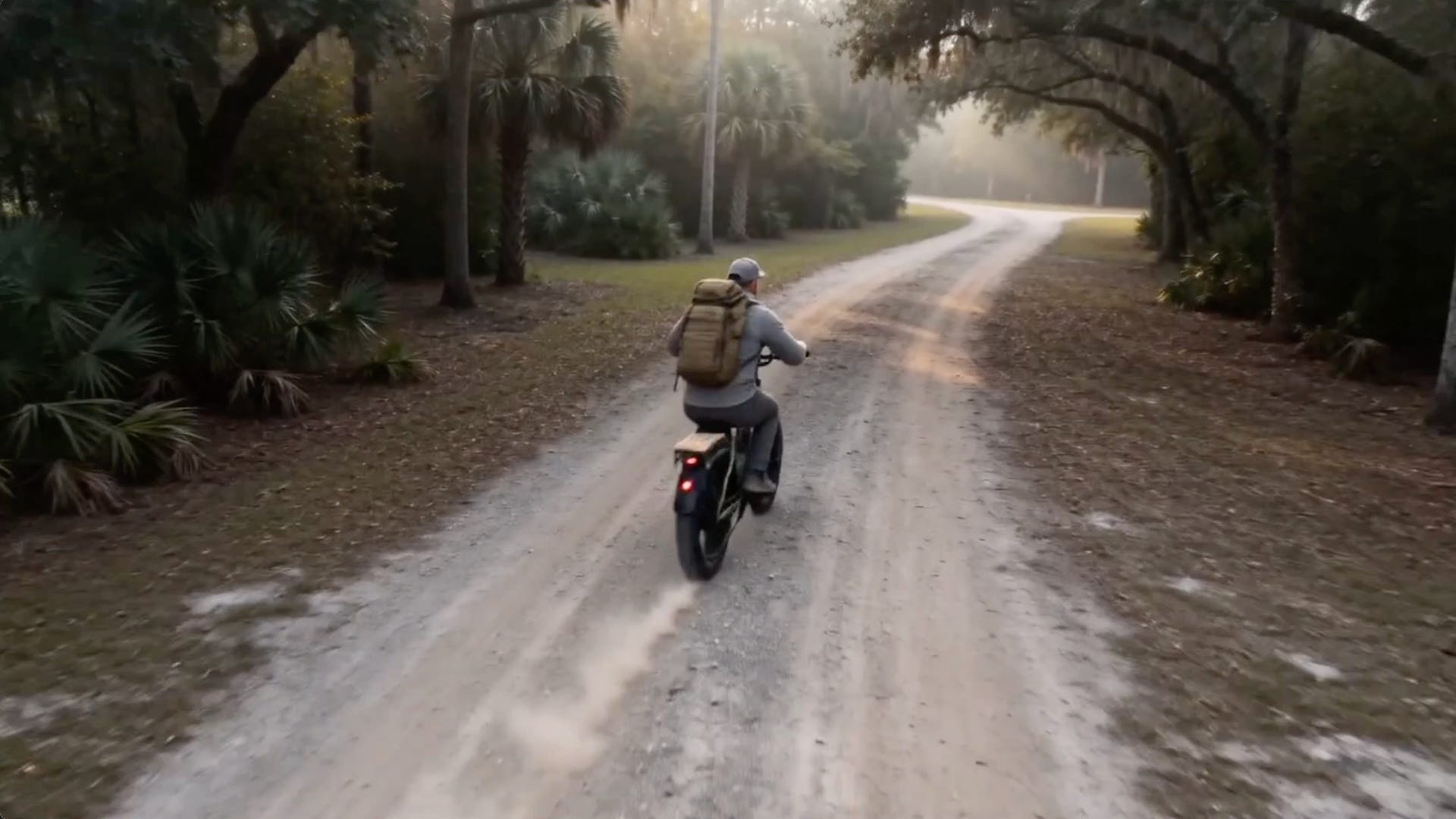
Miles 18 to 28. Mark is in the suburbs now. His territory.
The noise from downtown is still audible, but distant. His neighborhood is tense but intact. Neighbors are on porches. Some are armed. Mark keys up the POCLink Pro on PTT, Sarah has been tracking his GPS the whole ride. She knows his ETA.
At mile 24, a car rolls slowly toward him, unfamiliar. Engine running. Windows down. Mark moves to the edge of the road. Right hand near his carry. The car passes. No incident. Awareness wins again.
Mile 27. He can see his street. He checks the display one last time: battery at 78%. Range remaining: 93 miles.
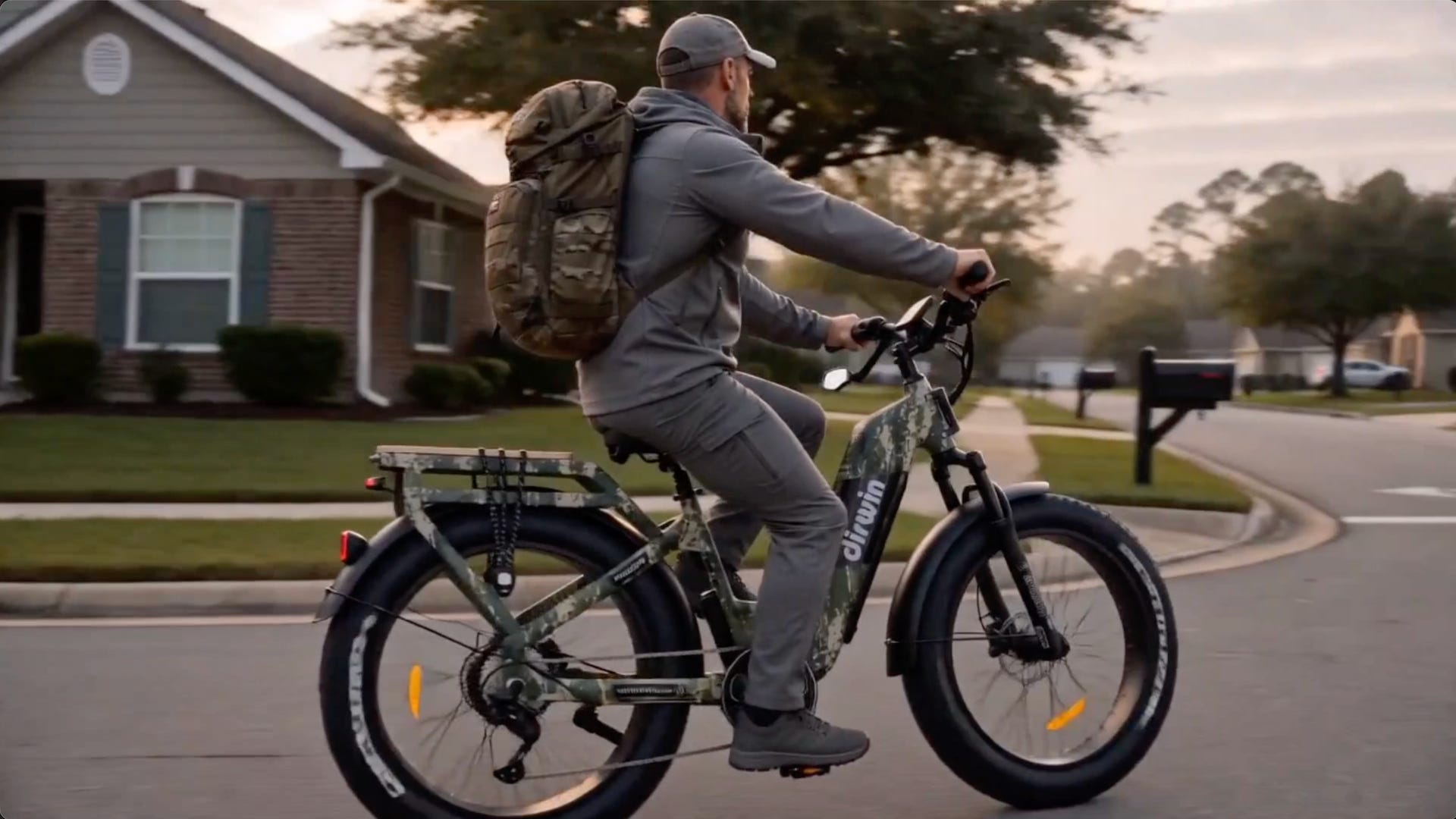
Mark rode 28 miles through a coordinated terrorist attack, in 97 minutes, and he still has more than half a battery left.
He turns into his driveway. The front door opens before he reaches it. Jake and Emily run out. Sarah holds on. Nobody says anything for a few seconds.
They don’t have to.
THE VERDICT
Mark didn’t get home because he was lucky.
He got home because he had thought through the problem before it happened. He had a get-home bag. He had grayman clothes. He had a communication system that worked when the cell network didn’t. He was carrying. He was trained. And he had a mobility solution that didn’t depend on roads, fuel, or other people.
Now let me be direct about this bike.
Dirwin reached out to me about the Pioneer 2. And yes, this is a sponsored piece. But here’s what they can’t buy: my reputation. And my credibility with this audience. I have tested over 60 electric bikes. Many with my own money. On my own time. And when I tell you this is the best out-of-the-box get-home platform at this price point - that’s not a line in a script. That’s the conclusion I reached from personal testing.
Many competitors at this price bracket give you 48 to 60 miles of range on a 13 to 17 amp-hour battery. The Pioneer 2 runs a 30 amp-hour battery. 90 to 120 miles of real-world range. That’s not a marginal improvement. That is a different category. Competitors don’t include rear racks. Competitors top out at 300-pound payload. No fenders. No integrated lights. At $2,399, this bike ships with everything included. Nothing to add. Ready to work. Two-year warranty. UL certified. IPX5 water resistance.
MARK HAD A PLAN. MOST PEOPLE DON’T.
Mark had an answer because he had thought it through before the day went sideways. He knew how he was getting home. He had the gear, the training, and the mobility platform to execute.
An eBike is not a toy. The right eBike is a get-home tool. And the Pioneer 2 is the best one I’ve tested for the money. Period.
If the only gap left in your prep is mobility, this will fill it.
Dirwin Pioneer 2: dirwinbike.com/products/pioneer-2-fat-tire-electric-bike
And if you haven’t joined the Survival Dispatch News Guardian community yet, that’s where content like this lives. Detailed. Tactical. No filler. Link below.
Stay prepared. Stay free. Stay dangerous.
Godspeed,
Chris Heaven, CEO
Survival Dispatch


